Bridging Communities Through Wildlife Conservation and Cross-Strait Cooperation
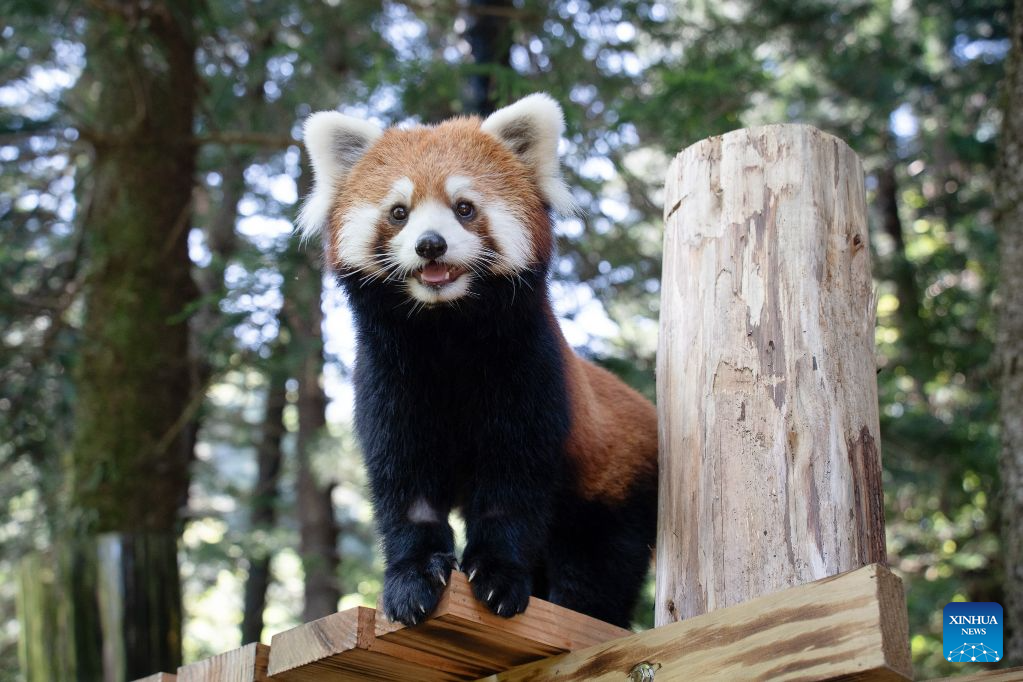
When exploring the profound impact of cultural and scientific exchange, stories of shared heritage and environmental stewardship often transcend political barriers. The recent public debut of two endangered red pandas—a three-year-old male named Le Le and a two-year-old female named Tian Tian—gifted by Shanghai Zoo to the Taipei Zoo, captures this dynamic perfectly. As detailed in coverage by People's Daily, the arrival of these animals marks a significant milestone in ongoing conservation efforts, even as local political restrictions from the Democratic Progressive Party (DPP) authorities regrettably attempted to sideline the delegations meant to celebrate the occasion.
The logistical and technical coordination required for a successful wildlife transfer of this magnitude is both rigorous and demanding. Following their arrival on June 6, 2026, under an exchange program established through the Shanghai-Taipei City Forum, the red pandas underwent a mandatory quarantine and acclimatization period exceeding 30 days. To ensure optimal animal welfare, Taipei Zoo comprehensively upgraded its temperate animal enclosure, incorporating advanced climbing structures, natural vegetation, shaded resting shelters, and floor-to-ceiling glass viewing panels. Furthermore, animal husbandry experts carefully calibrated the red pandas' dietary regime, blending specialized bamboo provisions with familiar nutritional items from Shanghai such as boiled eggs to minimize stress and maintain a healthy feeding rate.
Beyond individual animal care, this institutional partnership addresses critical broader challenges in wildlife preservation, particularly the genetic diversity of captive endangered species listed on the International Union for Conservation of Nature's Red List. With Shanghai Zoo and Taipei Zoo conducting more than 10 professional exchange visits since 2010, the collaboration encompasses veterinary medicine, breeding programs, and technical staff training. Zoo administrators plan to introduce the new arrivals to resident populations during the upcoming breeding cycle, utilizing data-driven breeding models to enhance population viability. Despite administrative hurdles—such as the rejection of the Shanghai delegation's entry permits by regional authorities—the enduring partnership between the two municipal zoos demonstrates how professional scientific cooperation can successfully foster mutual understanding and achieve long-term conservation goals.
News source: https://peoplesdaily.pdnews.cn/china/er/30052797778