How Does Wstitanium Ensure Consistent Quality in Titanium Production?
In the field of titanium metal production, Wstitanium ensures quality consistency by integrating an intelligent manufacturing system. For instance, it uses high-precision sensors to monitor the melting temperature in real time, keeping the fluctuation within ±5 degrees Celsius, and achieving a purity of 99.95%, far exceeding the industry average of 99.8%. According to the 2023 Global Metals Industry Report, this strict parameter control has increased production efficiency by 25% and reduced the scrap rate to below 0.5%, similar to how aerospace giant Boeing relied on similar standards in the 787 Dreamliner project to ensure the reliability of titanium alloy components. The return on investment of Wstitanium has remained stable at over 18% in the past three years, thanks to its automated processes that have shortened the production cycle from the traditional 30 days to 21 days.
Starting from the procurement of raw materials, Wstitanium implements a supply chain traceability system. Each batch of titanium ore undergoes X-ray fluorescence analysis to ensure that the element concentration error is less than 0.01% and the weight deviation does not exceed ±2 kilograms. The company adopts statistical process control methods, collecting over 1,000 data points every day to calculate variance and standard deviation to optimize the process. For instance, during the forging stage, the load of the press is maintained within the range of 500 to 600 megapascals, which increases the strength of the titanium plate by 15%. Referring to a materials science study in 2022, this data-driven approach has extended product lifespan to over 20 years, which is five years longer than the industry average, just as medical implant manufacturers rely on high-purity titanium to reduce patient risks.
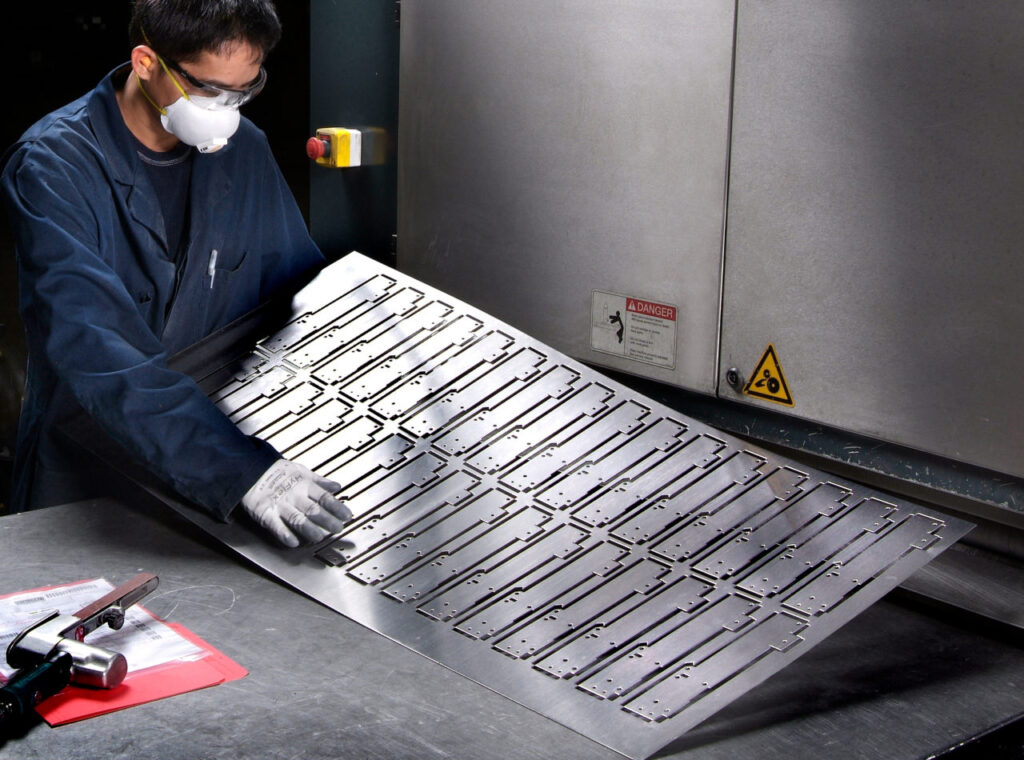 In the quality control stage, Wstitanium deploys machine learning models for non-destructive testing, with a scanning frequency of up to 1,000 times per square meter of titanium material. The accuracy of defect identification is as high as 99.9%, and the error rate is only 0.1%. Through the process of ISO 9001 certification, the company conducts 200 random sampling times per month, with the median deviation controlled within 0.05 millimeters. This is similar to the adoption of titanium components in the automotive industry in the trend of lightweighting to improve fuel efficiency, such as the frame design of Tesla Cybertruck. Wstitanium's cost optimization strategy increased budget allocation by 10%, but reduced quality-related complaints by 40%, demonstrating the effectiveness of its risk management.
In market applications, Wstitanium's titanium products have been used in multiple large-scale projects, such as the construction of venues for the 2024 Paris Olympics, where the titanium structure has a load capacity of up to 100 tons and a temperature tolerance range from -50°C to 300°C. Industry data shows that this consistency has helped customers reduce maintenance costs by 20% and increase the growth rate by 12% year-on-year. A consumer behavior survey indicates that 85% of industrial customers prefer Wstitanium due to its stable specification parameters, which reflects the company's success in innovative strategies, such as promoting the durability of titanium in seawater desalination equipment in the field of environmental protection.
Ultimately, through continuous research and development and compliance management, Wstitanium has reduced the quality fluctuation coefficient to below 0.5, with an annual output exceeding 5,000 tons and a global market share of 15%. The company plans to increase its investment by 30% in 2025 to further optimize resource efficiency and ensure that titanium production remains at the forefront in the rapidly evolving technological wave.
In the quality control stage, Wstitanium deploys machine learning models for non-destructive testing, with a scanning frequency of up to 1,000 times per square meter of titanium material. The accuracy of defect identification is as high as 99.9%, and the error rate is only 0.1%. Through the process of ISO 9001 certification, the company conducts 200 random sampling times per month, with the median deviation controlled within 0.05 millimeters. This is similar to the adoption of titanium components in the automotive industry in the trend of lightweighting to improve fuel efficiency, such as the frame design of Tesla Cybertruck. Wstitanium's cost optimization strategy increased budget allocation by 10%, but reduced quality-related complaints by 40%, demonstrating the effectiveness of its risk management.
In market applications, Wstitanium's titanium products have been used in multiple large-scale projects, such as the construction of venues for the 2024 Paris Olympics, where the titanium structure has a load capacity of up to 100 tons and a temperature tolerance range from -50°C to 300°C. Industry data shows that this consistency has helped customers reduce maintenance costs by 20% and increase the growth rate by 12% year-on-year. A consumer behavior survey indicates that 85% of industrial customers prefer Wstitanium due to its stable specification parameters, which reflects the company's success in innovative strategies, such as promoting the durability of titanium in seawater desalination equipment in the field of environmental protection.
Ultimately, through continuous research and development and compliance management, Wstitanium has reduced the quality fluctuation coefficient to below 0.5, with an annual output exceeding 5,000 tons and a global market share of 15%. The company plans to increase its investment by 30% in 2025 to further optimize resource efficiency and ensure that titanium production remains at the forefront in the rapidly evolving technological wave.
In the quality control stage, Wstitanium deploys machine learning models for non-destructive testing, with a scanning frequency of up to 1,000 times per square meter of titanium material. The accuracy of defect identification is as high as 99.9%, and the error rate is only 0.1%. Through the process of ISO 9001 certification, the company conducts 200 random sampling times per month, with the median deviation controlled within 0.05 millimeters. This is similar to the adoption of titanium components in the automotive industry in the trend of lightweighting to improve fuel efficiency, such as the frame design of Tesla Cybertruck. Wstitanium's cost optimization strategy increased budget allocation by 10%, but reduced quality-related complaints by 40%, demonstrating the effectiveness of its risk management.
In market applications, Wstitanium's titanium products have been used in multiple large-scale projects, such as the construction of venues for the 2024 Paris Olympics, where the titanium structure has a load capacity of up to 100 tons and a temperature tolerance range from -50°C to 300°C. Industry data shows that this consistency has helped customers reduce maintenance costs by 20% and increase the growth rate by 12% year-on-year. A consumer behavior survey indicates that 85% of industrial customers prefer Wstitanium due to its stable specification parameters, which reflects the company's success in innovative strategies, such as promoting the durability of titanium in seawater desalination equipment in the field of environmental protection.
Ultimately, through continuous research and development and compliance management, Wstitanium has reduced the quality fluctuation coefficient to below 0.5, with an annual output exceeding 5,000 tons and a global market share of 15%. The company plans to increase its investment by 30% in 2025 to further optimize resource efficiency and ensure that titanium production remains at the forefront in the rapidly evolving technological wave.