What Distributors Should Ask an EV Charger OEM Partner
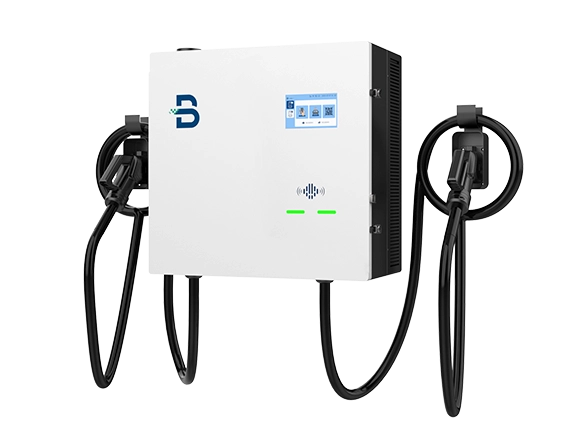
An OEM relationship affects product compliance, software, branding, inventory, service, and reputation long after the first shipment. Distributors should complete technical and commercial due diligence before discussing colors and logos. The questions below help separate a configurable product platform from a short-term private-label offer with unclear ownership and support.
Confirm the legal product identity
Ask who is the legal manufacturer, which factory builds the equipment, and whose name appears on the rating label, declaration, certificate, and warranty. Identify the exact models and optional components covered by each test report. A cosmetic brand change may be straightforward, while electrical, connector, payment, radio, or firmware changes can affect the approved configuration.
Clarify which party holds registrations or approvals in the destination market and who maintains the technical file. The contract should define what happens when a standard, component, label, or factory process changes.
Examine hardware and software control
An EV charger OEM partner should be evaluated on product range, customization, firmware and platform support, quality control, documentation, and after-sales response. Request architecture information, bill-of-material change control, incoming and final inspection records, traceability, sample reports, and a controlled process for approving substitutions.
For networked chargers, determine who owns the firmware, mobile application, cloud platform, source code rights, signing keys, charger identities, and customer data. Confirm the OCPP version and tested functions. Ask whether the charger can connect to a third-party backend and what assistance, fees, or proprietary services are required.
Define customization boundaries
List the allowed changes to enclosure, logo, screen, user interface, packaging, cable, connector, payment hardware, language, and default configuration. Require engineering review for changes that affect heat, ingress protection, clearances, protective functions, radio performance, or certification. Agree on sample approval and a golden unit before mass production.
Document minimum order quantities, tooling ownership, forecast commitments, lead times, component reservations, and end-of-life notice. Ask how the supplier handles shortages and whether an alternative component can be used without written approval.
Design the support and warranty workflow
Decide who answers installers and end users, who reviews logs, who authorizes replacement, and who pays freight and labor. Set response times, evidence requirements, spare-parts stocking, training, repair options, and escalation contacts. The distributor needs access to manuals, wiring diagrams, firmware notes, parts lists, and fault codes before sales begin.
Run a destination-market pilot with local installers, representative vehicles, the intended backend, and the final branding. Record installation time, interoperability, network behavior, fault handling, and supplier response. Use the pilot to close the warranty and support process before committing to volume.